Will the camera system wake me up with notifications at night? How are alerts set up?
It won't. We set up notifications exactly according to your household's routine: only when you're not at home, only at night, only in selected zones (e.g., driveway), or only when a person/vehicle is detected. Recording can run continuously, but you only receive notifications when it makes sense.
Is camera control complicated? Can someone who is 'not a tech person' manage it?
Yes, they can. On your mobile you see a live view, playback is just a few clicks, and searching for events is simple (timeline / events). When we hand over the system, we set everything up, explain it, and make sure you feel comfortable navigating it.
How many cameras do I need for an average family house and where should they be placed?
Most often 3–6 cameras: driveway and gate, main entrance, garden/terrace, back entrance, garage or parking area. We don't design based on the number of cameras but on risk points – the goal is to cover access routes and have usable footage for identification.
Do IP cameras see at night? Will I be able to recognise a face or a car license plate?
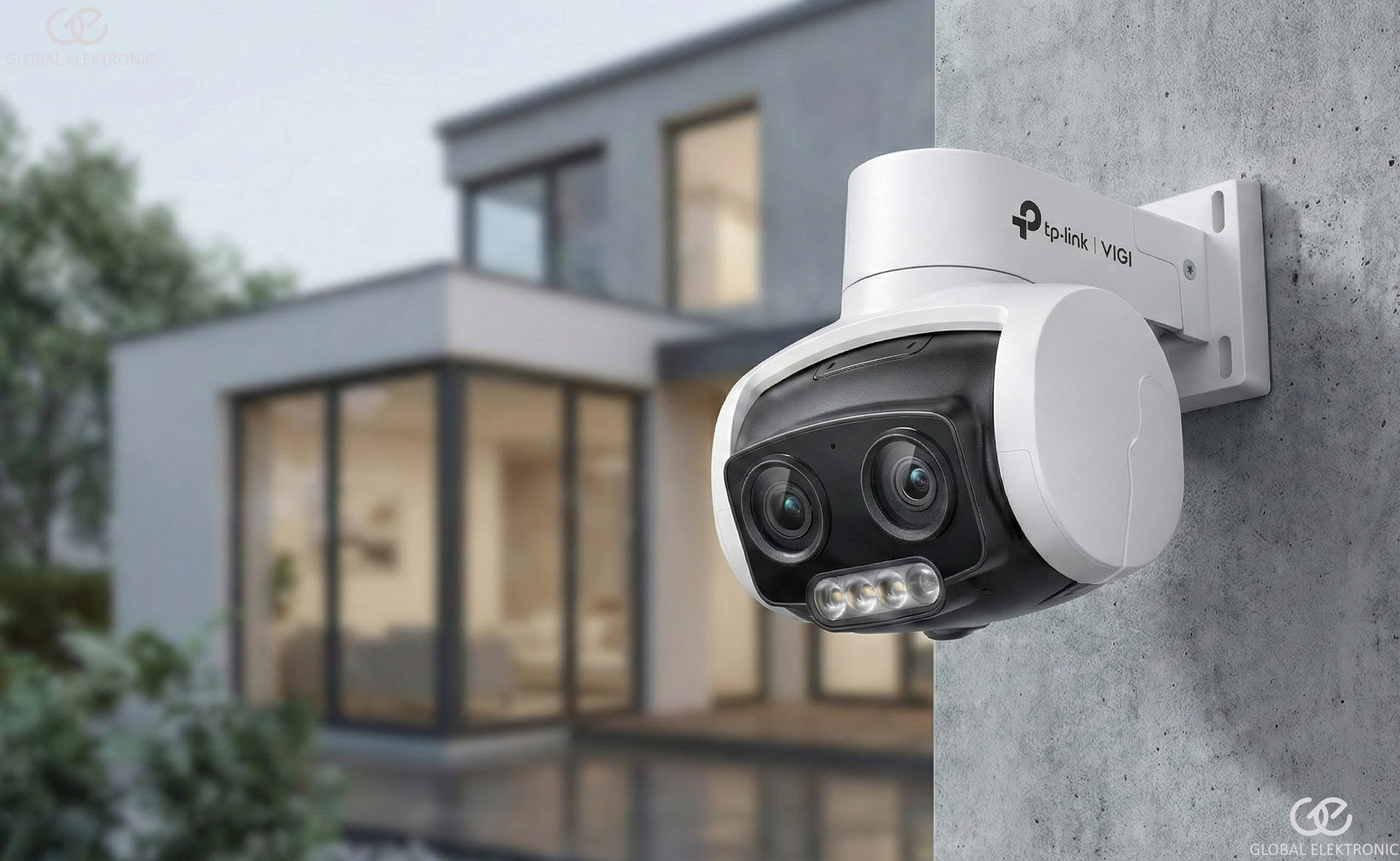
Yes – modern cameras have high‑quality night modes (IR and colour night vision depending on the type). The key is proper placement, focal length, and mounting height: if the camera is positioned poorly, you won't see anything even in 4K. We design positions so that the image is not just a 'figure' but truly usable footage.
How long is the recording stored? Can I find an event from a week ago?
Typically we set the retention to 7–30 days (depending on the number of cameras, resolution, and hard drive capacity). If you need longer history (e.g., for a cottage), we'll propose adequate storage. We always match the capacity to what you expect from the system.
Do I need the internet? Does the camera system work without the internet?
Recording on the NVR (network video recorder) can work even without the internet. The internet is mainly needed for remote access from your mobile and notifications. When the internet goes down, the system continues to record – and once the connection is restored, remote access starts working again.
Wired (PoE) vs Wi‑Fi cameras: which is better for a house?
For family houses, we most often recommend wired IP cameras with PoE – they are stable, resistant to interference, and don't require a power outlet near the camera. Wi‑Fi can make sense where a cable is truly impossible, but when it comes to security, reliability is the priority.
Will you have to chase cables into the walls? How invasive is the installation?
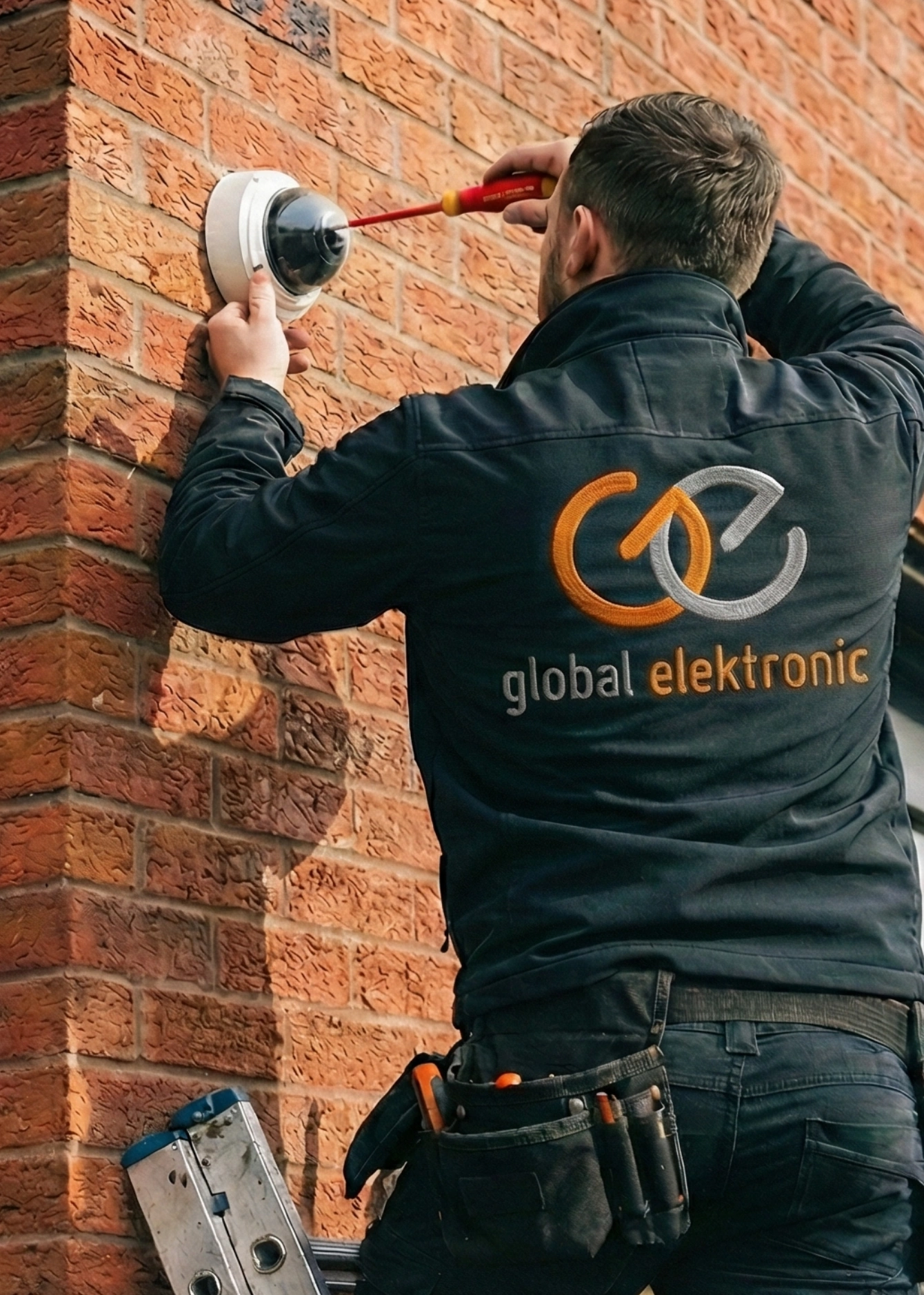
Usually not. Cables are typically run in conduits, raceways, under ceilings, in the attic, technical room, or along existing routes. During the site survey, we propose the cleanest routing option and agree on what is aesthetically acceptable for you.
Is it legal if the camera also captures the street or the neighbour's property? What about GDPR?
We primarily aim the camera at your property. If public space or a neighbour's property unavoidably falls into the frame, we address it with proper positioning and features like privacy masks (blurring part of the image). We also advise on practical steps (area marking, reasonable retention period) so that everything makes sense and is defensible.
Can the camera system be expanded later? Add another camera or larger storage?
Yes. We design the system to be expandable – add a camera, replace the hard drive with a larger one, add another zone. Expansion usually means minimal intervention to the existing installation if we plan for it from the start.
How do you prevent cameras from being hacked? Is remote access safe?
We take security seriously: we set strong passwords, proper user permissions, updates, recommended network settings, and a secure way of remote access. The result is a system that is convenient to use but does not underestimate the risks of the internet.
How much does a camera system installation cost? What most affects the price?
The price mainly depends on the number of cameras, requirements for image quality (identification vs. overview), complexity of cable routes, type of recording/storage capacity, and any extras (microphone, person/vehicle detection, scene lighting). After a short consultation, we prepare a clear proposal and itemised quote – no surprises on site.