Corridors and staircases
Spaces that people use every day and also escape routes in case of an event. Here, fast information makes the most sense.
- early response
- clear overview for the manager
- better orientation during an event

Corridors, cellars, pram rooms, technical rooms or other risk areas. We design solutions for HOAs and apartment buildings so that the building doesn't rely solely on chance. Where a reasonable fire detection system for common areas makes sense, we design it clearly and without chaos. Where the building already requires a full EPS system, we will tell you honestly.
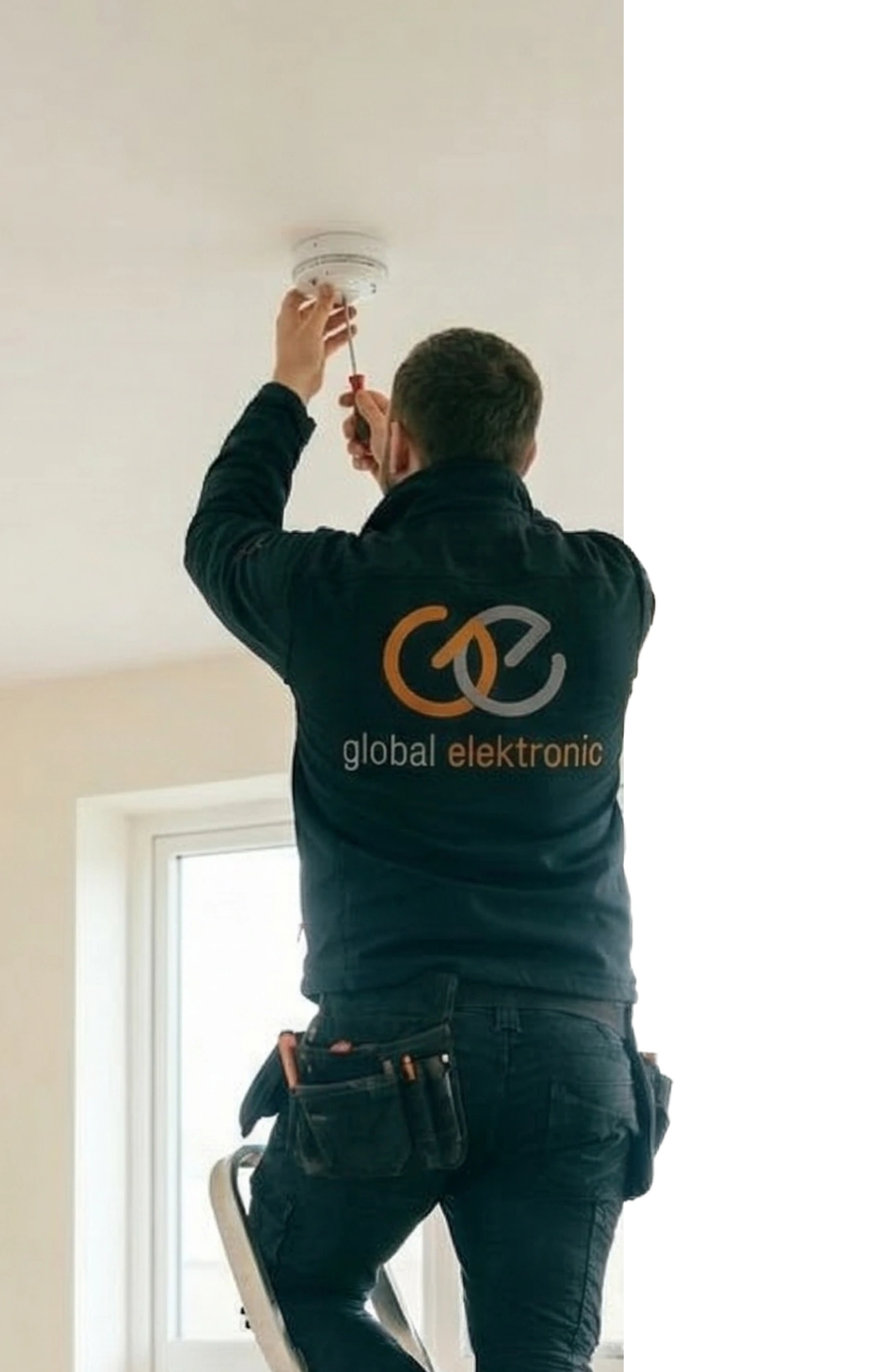
Typical scenario: the building wants early knowledge of smoke in the cellar, corridor, or technical room. Where it is sufficient, we design a clear solution. Where a full fire EPS system is already required, we follow up with a B2B project.
A fire in the common areas of an apartment or panel building threatens more than just one room. Often the first minutes are decisive, when you need to know that something is happening. The purpose of this service is to give the building early information about smoke or a fire event in the common parts of the building — before the problem escalates and before everything is handled under pressure.
For HOAs, apartment buildings, and panel buildings, this is often a practical intermediate step between total passivity and a full EPS system. Sometimes a simple and clear solution with detection and notification in common areas makes sense. Other times, the building according to its fire safety plan, operation, or regulations already requires a full fire alarm system. We distinguish between both situations honestly.
A well‑designed solution often also connects to Jablotron, camera systems, access control systems or a high‑quality low‑current infrastructure.
The competition often sells either "smart sensors" or immediately heavy‑duty technology. We choose a solution based on the building, operation, and real goal: timely information, clarity for management, and an honest distinction between reasonable detection and when it's actually a EPS system.
The idea is simple: give the building time to react. When smoke or a fire event appears in common areas, you don't want to find out only when the corridor is full of combustion products.
Why this often ties into fire EPSWe don't sell an over‑engineered system where early, clear detection is enough. At the same time, we won't leave you with the illusion that every detector in the hallway automatically replaces a full EPS system.
Also check B2B EPSWhen done right, detection in common areas can connect to access control, building management, service, and other low‑current technologies around the building.
Related access control systemsThe building needs to be protected, but also serviceable. We think about labelling, logic, operation by the manager, testing, and ensuring that the next intervention isn't a detective story in two years.
Jablotron system serviceThere is no universal template. An eight‑storey panel building is different from a smaller apartment building, and a building with technical facilities in the basement is different again. What matters is the layout, operation, and risk areas.
Spaces that people use every day and also escape routes in case of an event. Here, fast information makes the most sense.
Typical areas with increased risk of fire, clutter, or late detection of a problem. This is where early detection is most practical.
Distribution boards, technology, plant rooms, or other operational areas deserve different attention than a standard corridor. We design according to the actual use of the building.
It's not just "a detector on the ceiling". What matters is that the whole solution makes sense for the residents, for the management, and for future service.
We select risk areas so that the choice makes sense both operationally and for safety. It's not about the number of units, but the logic of placement.
An event must not remain just a beeping detector without context. You need to know what happened and where the information came from.
The aim is to get information about the problem to people in time – either on site or to the responsible person.
When the building later adds cameras, entry, or stronger fire protection, it doesn't have to start from scratch.
It often also connects to Jablotron, camera systems, access control systems and a sensible low‑current infrastructure.
This is exactly where we want to be fair. This page targets a layperson‑friendly solution for early fire detection in common areas. But we don't want to create the impression that every such solution automatically replaces a full EPS system.
When an HOA or apartment building wants a clearer and faster indication of smoke or a fire event in the common parts of the building, but the building does not require a full EPS system according to fire safety regulations or project.
When it is required by the fire safety design of the building, the project, the standards, or the operation of the facility. In such a case, the correct path is a separate EPS system with all its connections, documentation, and operational logic.
Most often we work with buildings that want to stop relying on chance, but need a practical and operationally clear solution.
Reasonable detection of the most important common areas without unnecessary complexity.
The most common solution for common areas of panel or apartment buildings.
For larger common areas or buildings where follow‑up connections are needed.
Write to us whether you are dealing with corridors, cellars, technical rooms, or just want to know whether early detection or a full EPS system makes sense for your building. We'll propose a solution that makes sense both technically and operationally.

Not always. This page is intentionally built as early fire detection in common areas for HOAs and apartment buildings where a clear warning about smoke or a fire event in the cellar, corridor, or technical room makes sense. If the building is required by fire safety regulations to have a full EPS system, we must follow the path of a separate EPS project, documentation, standards, and related requirements.
Most often in corridors, cellar corridors, pram rooms, bike storage, technical rooms, or other risk areas. We don't design 'by eye', but based on the layout of the building, how it is used, and real risks.
Yes. Often this is the first sensible step. And when you later want to add a camera system, an entry system, or other building logic, we can build on a prepared foundation without unnecessary improvisation.
It depends on the design. Typically we set up local acoustic warning and an overview for the manager, HOA chair, or responsible person. The goal is not just 'flash something', but to give people timely information and a chance to react quickly.
We plan for that too. When the building is at a point where a electric fire alarm system makes sense or is required, we follow up with a separate B2B solution including documentation, project, and service logic. That's why it's better to start with a company that understands both worlds.